


- ...
- Blog
- When the Human Still Matters: 5 Moments to Bring a Team Member Into Property Operations
When the Human Still Matters: 5 Moments to Bring a Team Member Into Property Operations

Automation has changed how vacation rental and hospitality teams run their days.
Cleanings get scheduled the moment a reservation is booked, checklists guide every turnover, guest messages go out on time, and managers can see the status of every property without picking up the phone. That work used to take hours, now it runs in the background.
But the goal of automation was never to remove people from operations. It was to give them back the time and attention to show up where they make a difference. The best operators we work with think about it this way: let the system handle the predictable, and save your team for the moments that call for judgment, empathy, or accountability.
Here are five of those moments, what automation contributes to each, and why having a person step in pays off.
1. A guest arrives and something isn't right
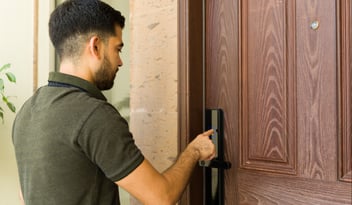
The door code doesn't work. The hot tub is cold. The property was cleaned, but the last guest left something behind in a drawer that the cleaner missed...and, of course, the next guest found it. These are the situations that decide whether a stay ends in a five-star review or a refund request.
Where automation helps: Automated check-in messages, access code delivery, and turnover completion alerts catch many of these issues before the guest ever notices. When a task is late or a checklist item is flagged, the right person is notified right away instead of hours later.
Where a person steps in: Once a guest is standing at the door frustrated, they want to hear from someone who can fix it. A team member who calls, takes accountability, and tells the guest exactly what's happening next turns a bad first impression into a recovery. They can also make the calls a template can't, like sending a cleaner back immediately, offering a late checkout, or covering dinner for the first night.
The benefit: Guests forgive problems far more readily than they forgive feeling ignored. A fast human response protects the review, the repeat booking, and the guest's sense that someone was looking out for them.
|
Catch it before the guest does. |
2. An inspection turns up something that needs a judgment call
A photo from a turnover shows a stain on the couch, a crack in a window, or a scuff on the wall. Is it normal wear and tear, guest damage, or a sign of a bigger maintenance problem?
Where automation helps: Digital inspections with required photos create a consistent record of every property after each stay. Issues get logged, timestamped, and routed to the right person without anyone needing to remember to report them.
Where a person steps in: Deciding what happens next takes context. Someone needs to compare the photo against previous inspections, decide whether it's worth a damage claim, and choose whether to fix it now or schedule it for the next vacancy. That person might also know the guest has stayed with your company five times without an issue, which changes how the conversation should go. They also understand whether the next guest should be alerted before their arrival.
The benefit: Good judgment here saves money and relationships at the same time. Your team recovers costs when they should, avoids unfair charges when they shouldn't, and catches small maintenance issues before they turn into emergency repairs.
3. Someone spots a safety concern
A housekeeper notices a loose deck railing. A smoke detector chirps. A pool gate doesn't latch. Safety issues are some of the most important things a field team can catch, and they rarely fit neatly into a checklist.
Where automation helps: Recurring safety tasks make sure detectors, extinguishers, railings, and pool equipment get checked on schedule instead of whenever someone remembers. Safety items on checklists keep these checks visible at every turnover, and flagged items can be escalated automatically.
Where a person steps in: When an issue is found, someone with authority has to decide whether the property is safe for the next guest. That might mean blocking the calendar, moving a reservation, or calling a contractor out the same day. Those are decisions with real consequences, and they belong to a person who can weigh them and stand behind them.
The benefit: Clear human ownership of safety decisions protects guests, owners, and your business. It also builds a culture where field staff know that when they raise a concern, someone will act on it, which makes them more likely to speak up the next time.
|
Give your team a clear safety standard. |
4. A guest message carries more than a question
Most guest messages are routine: Wi-Fi passwords, parking instructions, checkout times. But some carry something else. A family is traveling for a funeral. A couple is celebrating an anniversary. A guest with a mobility need wants to know if the stairs to the entrance are manageable. A review-worthy complaint arrives late at night.
Where automation helps: Scheduled messages and saved replies handle the routine questions instantly and consistently, at any hour. That frees your guest communication team from answering the same five questions all day.
Where a person steps in: Messages with emotion or nuance deserve a reply written by someone who reads them carefully. A person can notice the detail in the message, respond with the right tone, and do something thoughtful, like leaving a card, arranging an early check-in, or giving an honest answer about accessibility so the guest can plan.
The benefit: These are the moments guests remember and talk about. Personal attention at the right time creates the kind of loyalty that brings people back directly, without paying another OTA commission.
5. An owner needs to understand what's happening with their property
An owner sees a large repair invoice. A bad review mentions cleanliness. The property had a slower month than expected. Owners trust you with one of their most valuable assets, and when something changes, they want an explanation.
Where automation helps: Owner reporting, completed task histories, and inspection photos give owners visibility into the work being done on their property. That record makes every conversation easier because the facts are already documented.
Where a person steps in: A report shows what happened. A person explains why it happened and what you're doing about it. A quick call from a property manager who can walk through the repair, share the photos, and outline a plan to prevent it from happening again keeps the owner confident in your team.
The benefit: Owner retention depends on trust, and trust is built in conversations. Automated reporting gives your team the proof. The human conversation turns that proof into a relationship that lasts.
Automation creates the space for people to do their best work
In every one of these scenarios, automation does important work. It catches issues early, keeps records accurate, and routes information to the right person faster than any manual process could. What it can't do is make a judgment call, comfort a frustrated guest, take responsibility for a hard decision, or go above and beyond to surprise and delight the guest.
The operators who get the most out of their tools are the ones who design their workflows with both in mind. They automate the repeatable work so their teams have the time and information to step in at the right moment. When you know where the human matters most, you can build systems that put your people exactly there.
Walk into every owner conversation with the proof.
Automate operations for short-term rentals with Breezeway's smart workflows and guest experience tools designed to ensure efficiency and guest satisfaction.