June is National Safety Month, a month dedicated to recognizing the practices, systems, and people working to make spaces safer for everyone who uses them. In the vacation rental industry, that work happens every day, often behind the scenes. And it matters more than most guests ever realize.
Over the past several years, Breezeway has made one of the largest investments in safety education and operational standards anywhere in short-term rentals. Through its platform, inspection workflows, safety checklists, and the globally recognized Short-Term Rental Safety Inspector (STRSI) Program, Breezeway has helped shift the safety conversation from reactive to proactive. The goal is simple: identify and fix hazards before a guest ever arrives, not after something goes wrong.
Today, hundreds of professional property management companies use Breezeway's tools and training to reduce risk, build operational consistency, and create safer experiences for millions of guests worldwide. That commitment isn't going anywhere.
|
Want to take your short-term rental safety to the next level?
Explore the Breezeway Safety Course to learn expert-backed strategies for preventing accidents, protecting guests, and reducing liability across your rental properties.
Start the course today
|
Why vacation rental safety deserves more attention
The short-term rental industry has grown dramatically over the past decade. With that growth has come real scrutiny from guests, regulators, and the public around what it actually means for a property to be safe.
Unlike hotels, which operate under consistent regulatory frameworks and third-party inspections, vacation rentals have historically relied on operators to self-certify. That's changing. Guest expectations are higher. Platforms are tightening requirements. And operators who treat safety as a differentiator rather than a burden are finding it pays off in trust, reviews, and long-term resilience.
What safety actually means in a vacation rental
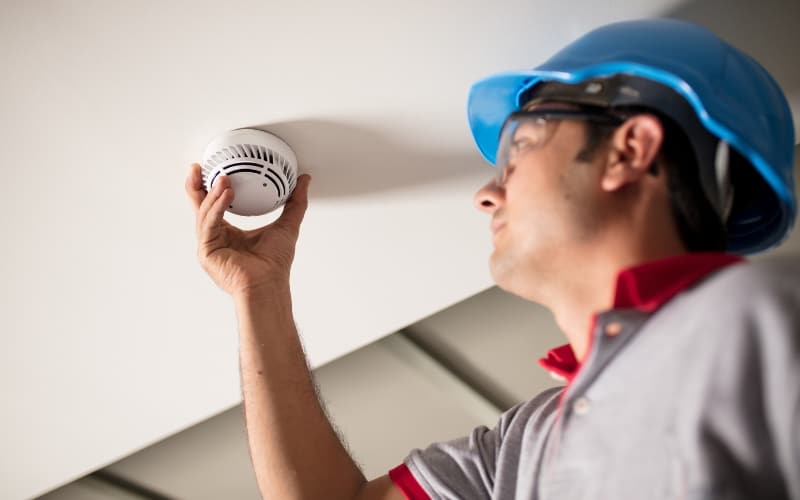
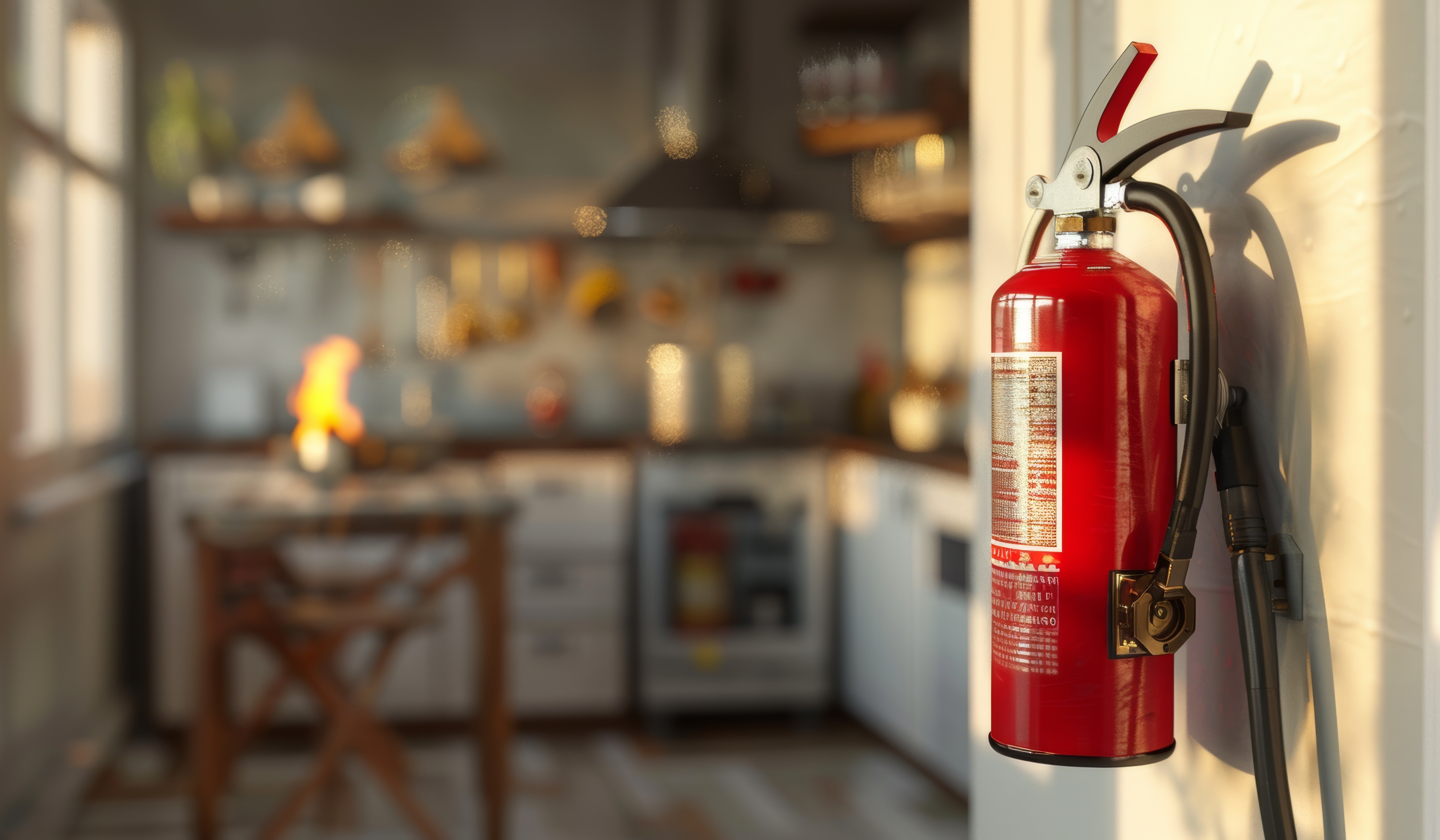
Safety in a short-term rental encompasses more than most people think. It includes carbon monoxide and smoke detector placement and functionality, pool and water safety, fire egress and extinguisher access, structural hazards, accurate emergency contacts, and clear communication to guests about what to do if something goes wrong.
It also includes the less visible side of operations: whether properties are being consistently inspected, whether issues are being documented and resolved, and whether the teams responsible for maintaining those properties have the training and tools to do that work reliably.
This is where Breezeway's platform plays a direct role. Structured inspection workflows, photo documentation, and systematic issue tracking give operators the infrastructure to move from reactive safety management to proactive, identifying and addressing hazards before a guest ever checks in.
Raising the standard: safety training built for this industry
For the past several years, Justin Ford has led Breezeway's safety education and certification efforts. The program he built, the Short-Term Rental Safety Inspector (STRSI) Program, pulls together real-world case studies, operational best practices, inspection standards, and practical risk-reduction strategies, all grounded in the specific realities of running short-term rentals.
The results speak for themselves. "Over 93% of people who start the Breezeway Safety Program actually complete it," says Ford. "In the world of online education, that's almost unheard of. It tells us operators understand that safety is not just another webinar or checkbox training. It's something directly connected to protecting guests, teams, reputations, and businesses."
The curriculum covers fire safety, egress, pools and waterfronts, grills and fire pits, deck safety, emergency planning, signage, bunk beds, lithium battery risks, and operational inspection workflows. But the deeper goal is to help operators think differently about safety culture itself.
"The biggest gaps I see usually aren't because people don't care," Ford explains. "It's because safety has historically been approached casually in this industry, often without systems, documentation, training, or consistency. Once operators put structured processes in place, everything changes. Teams become more confident. Owners become more engaged. Guests notice the difference. And companies begin operating at an entirely different professional level."
Operators who complete the program come away with more than a certificate. They gain a practical framework for identifying hazards, maintaining standards over time, and building lasting trust with guests, homeowners, insurers, and regulators.
Safety as a business practice, not just a moral one
Safe properties are better businesses. It really is that simple. Guests who feel safe are more likely to leave positive reviews and come back. Properties with documented safety standards are easier to insure. Operators with a track record are better positioned as platforms, and regulations raise the bar.
The flip side is equally true. A single safety incident, whether a malfunctioning detector, an unsecured pool, or an emergency exit guests couldn't find, can have consequences that reach well beyond the stay itself: reputationally, legally, and financially.
National Safety Month is a good moment to ask some honest questions. Are your detectors tested and documented? Do your inspection teams have a protocol for flagging safety concerns? Do guests have what they need to respond if something goes wrong?
If any of those feel uncertain, that's where the work starts. Breezeway exists to help operators do it, systematically, consistently, and at scale.
Getting started
Watch our Breezeway Academy Safety 101 series, and learn more about Breezeway's safety program.
To see how a real operator has put safety at the center of their business and what it's meant for their guests and their growth, read the StayLakeNorman case study.