
10 Airbnb Welcome Basket Ideas to Delight Your Guests
Want to create an Airbnb welcome basket but don’t know where to start? Here are 10 creative ideas that will wow guests.

Save time with the leading property operations and experience platform.
Vacation rental operations encompasses the day-to-day tasks and workflows that keep short-term rentals guest-ready.
This guide explains what vacation rental operations include. It covers how the operational cycle works from booking to checkout. You will also learn how to build systems that scale as your property portfolio grows.
|
Want to master vacation rental operations? |
Vacation rental operations cover the day-to-day tasks that keep short-term rental properties guest-ready. This includes housekeeping, maintenance, guest communication, inventory management, and quality control. Every time a guest checks out, and another checks in, a series of operational tasks happens behind the scenes to prepare the property.
Operations differ from vacation rental property management in scope and scale. Property management includes marketing, pricing, reservations, accounting, and owner relations. Operations focuses specifically on execution, making sure the property actually delivers what the listing promises.
For managers with multiple properties, operations become the foundation of guest satisfaction. A beautiful listing means nothing if guests arrive at a property with dirty sheets or a broken air conditioner.
Six core functions work together to keep vacation rental homes running smoothly. Each area involves its own processes, people, and often requires dedicated tools.
Turnover cleaning happens between every guest stay. Housekeeping teams not only clean, but also change linens, and restock essentials like toiletries and paper products. Timing is critical. Cleaners often have just a few hours between checkout and the next check-in.
Managing multiple properties means several turnovers might fall on the same day. If cleaning is delayed, check-in times get pushed back. This can frustrate guests even before they walk through the door.
Property maintenance breaks into two categories. Preventive maintenance which includes scheduled tasks such as changing HVAC filters, cleaning gutters, and servicing appliances. Reactive maintenance covers unexpected repairs. These might include a leaky faucet, a broken dishwasher, or a smart lock that stops working.
Addressing problems only after they appear leads to more emergencies and higher costs over time.
Every property requires consumables: toilet paper, dish soap, paper towels, cleaning supplies, and more. Running out of basics creates an immediate guest experience problem that often shows up in reviews.
Many managers use par levels—minimum quantities that trigger restocking. When toilet paper drops below six rolls, for example, a restock task gets created automatically. Par levels also help managers forecast future needs to ensure they aren’t missing critical inventory on busy turndays.
Guest communication spans the entire booking lifecycle:
How quickly you respond during a stay matters more than most people realize. Guests who can reach someone when problems arise tend to leave better reviews, even when things go wrong.
Standardized checklists create consistency across properties and cleaning teams. A typical inspection checklist covers cleanliness verification, appliance functionality, safety items like smoke detectors, and property appearance standards.
Photo documentation during inspections serves two purposes. First, it creates accountability for cleaning teams. Second, it provides evidence if disputes arise about property condition once a guest arrives.
Assigning tasks to the right people at the right time requires visibility into both the reservation calendar and team availability. Cleaners, inspectors, and maintenance technicians all work different schedules with different skill sets.
Without a centralized property operations system, like Breezeway, managers often spend hours each week texting and calling to coordinate work. This manual approach becomes unsustainable as portfolios grow and reservation changes become more frequent when expanding beyond a handful of properties.
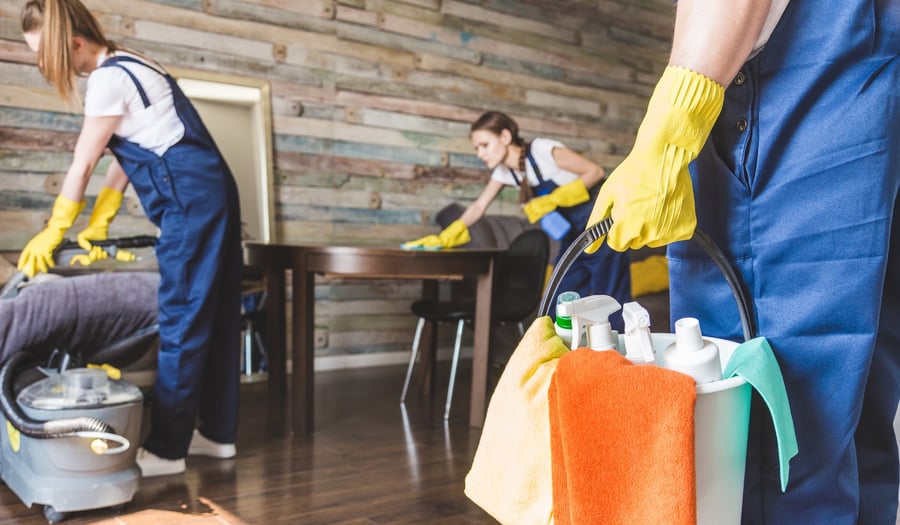
Understanding the operational cycle for a single booking shows how all the pieces connect.
Before guests arrive, several tasks converge in sequence. The property receives turnover cleaning, supplies get restocked, then an inspector verifies everything meets standards, and finally the guest receives check-in instructions with access codes.
Timing matters here. The cleaning team finishes first, then the inspector confirms readiness, and only after that does the property status update to "guest-ready." Each step depends on the previous one.
Once guests check-in, there’s an opportunity for proactive outreach to ensure check-in went smoothly and resolve any issues. This might mean answering questions about the property, coordinating a mid-stay cleaning, or dispatching maintenance for an unexpected issue.
Most stays proceed without incident. However, having clear escalation paths, like who to call and how quickly they respond, determines whether minor issues become major complaints.
After departure, the cycle begins again. A typical post-checkout sequence follows this order:
Delays anywhere in this chain compress time for everything that follows. A late checkout pushes back cleaning, which pushes back inspection, which can delay the next guest's check-in.
Between bookings, routine maintenance keeps properties in good condition. Seasonal tasks include winterizing outdoor spaces, deep cleaning carpets, and servicing major appliances.
Scheduling maintenance during gaps in the reservation calendar takes forward planning. Waiting until something breaks often means scrambling to find contractor availability during your busiest booking periods.
Building operational infrastructure takes deliberate effort. Five steps provide a framework for managers formalizing their processes.
Standard Operating Procedures (SOPs) document exactly how each task gets completed. A cleaning SOP (standardized workflow) might specify the order of rooms (many operators use the ‘follow the wall’ method), which products to use, and what quality standards to meet (standard property appearance).
Written SOPs enable consistency across different team members. They also make training new staff significantly easier since expectations are documented rather than verbal.
Most vacation rental operations involve three core roles:
|
Role |
Responsibilities |
Typical Arrangement |
|
Cleaners |
Turnover cleaning, restocking, laundry (optional, could be a dedicated laundry company) |
Contractors or employees |
|
Inspectors |
Quality verification, photo documentation, ensure guest-readiness |
In-house staff or managers |
|
Maintenance technicians |
Repairs, preventive maintenance |
In-house staff, Mix of contractors and specialists |
Smaller operators often wear multiple hats initially. As portfolios grow, delegating becomes necessary to maintain quality and avoid burnout.
Specialized work like plumbing, electrical, HVAC repair, and landscaping typically requires outside vendors. Building relationships with reliable contractors before emergencies occur saves significant stress later.
Vetting vendors includes checking licensing, insurance, response times, and pricing. Having backup options for critical services provides insurance against availability issues when your primary contact is booked.
Spreadsheets and group texts work for a handful of properties but become unmanageable quickly. Operations platforms centralize task scheduling, team communication, and property status tracking. This automation reduces manual coordination and saves operators time.
Breezeway, for example, automatically generates tasks based on reservation data, assigns work to team members, and tracks completion with photo verification. This automation eliminates much of the manual coordination that otherwise consumes manager time.
Quality control catches problems before guests find them. Effective inspection processes include standardized checklists, required photo documentation, and clear escalation paths when issues arise.
Regular audits of inspection results help identify patterns. You might notice recurring issues with specific properties, certain cleaners, or particular task that warrant attention.
Several categories of technology support vacation rental operations. Each serves a distinct purpose, and most managers use tools from multiple categories.
Property management software handles reservations, channel distribution, pricing, accounting, and owner reporting and management. Popular options include Guesty, Hostaway, and Lodgify. These systems manage the commercial side of the business but typically offer limited operational functionality.
Operations platforms focus on execution: scheduling tasks, coordinating teams, tracking property status, and ensuring quality standards. Breezeway is the leading property operations and task management platform in the vacation rental industry.
These tools integrate with property management software to automatically trigger workflows based on reservation changes. When a new booking comes in, the operations platform can automatically schedule cleaning, assign an inspector, and queue up restocking tasks, all without manual intervention.
Automated messaging handles routine communication like booking confirmations, check-in instructions, and review requests. The best systems blend automation with easy escalation to human support when guests have questions that fall outside standard responses.
In addition to property operations, Breezeway has also introduced new AI-powered messaging features and automation tools to streamline guest communication.
Smart locks eliminate key handoffs and enable unique access codes for each guest. Noise monitors alert managers to potential party situations. Smart thermostats reduce energy costs between stays.
By integrating your smart locks with Breezeway, these devices also generate data that can trigger operational responses. A noise alert can prompt an automated message to guests, while a low battery on a smart lock can automatically generate a maintenance task.

Automation reduces manual work and human error while improving consistency. Four operational areas benefit particularly from automation.
When a reservation is made or changes, Breezeway automatically generates the appropriate tasks. Cleanings are scheduled for checkout day, inspections follow, and supplies get restocked based on guest count. If a reservation is cancelled or dates change, the task schedule updates automatically.
By setting up Breezeway’s guest messaging workflows, triggered messages are sent at the right moments without manager intervention. A typical sequence includes booking confirmation, pre-arrival information two days before check-in, access details on arrival day, and a review request after checkout.
Generating unique access codes for each reservation through Breezeway eliminates key management entirely. Guests appreciate the flexibility of arriving on their own schedule, and managers avoid coordinating in-person handoffs that can be difficult to time perfectly.
Tracking supply usage and triggering restock tasks when levels drop below thresholds prevents stockouts. Some systems integrate directly with suppliers for automatic reordering when inventory runs low.
Operational costs vary based on property size, location, and service frequency. Common expenses include cleaning fees per turnover, maintenance reserves, consumable supplies, and software subscriptions. Labor costs represent the largest variable, depending on whether you use employees or contractors.
Operations focuses on day-to-day execution: cleaning, maintenance, inspections, and guest support. Property management encompasses operations plus strategic functions like marketing, pricing, channel management, accounting, and owner relations.
The answer depends on property proximity, automation level, and support resources. A solo manager with strong systems and reliable contractors might handle 10-20 properties effectively. Dedicated operations software increases capacity by automating coordination tasks that otherwise consume hours each week.
Frequent issues include inconsistent cleaning standards across properties, poor communication between team members, reactive rather than preventive maintenance, and relying on manual tracking methods that fail to scale. These problems compound as portfolios grow.
Establish a 24/7 response protocol before emergencies occur. This includes pre-vetted contractors for common issues like plumbing, electrical, HVAC, and locksmith services. Clear escalation paths and communication templates for guests help resolve problems quickly. Document every issue and resolution for owner reporting.
Automate operations for short-term rentals with Breezeway's smart workflows and guest experience tools designed to ensure efficiency and guest satisfaction.