2026 brings real changes to the UK short-term rental landscape. National registration requirements, updated fire safety standards, and evolving local council oversight—the regulatory environment is shifting, and it's natural to feel a bit overwhelmed by it all.
But here's the good news: this shift is actually an opportunity. The operators who build solid compliance systems aren't just avoiding penalties. They're building guest trust, protecting their business, improving property performance, and creating something really valuable: peace of mind.
We've seen it firsthand. Teams that approach compliance as a system—not a one-time checklist—run smoother operations, pass inspections easily, and have more time to focus on what really matters: growing their business.
|
Ready to explore Breezeway's operations platform?
See how AI-powered messaging can save time and elevate your guest experience.
Request a demo
|
Regulatory changes (and what they mean)
The UK regulatory environment has evolved significantly. England is rolling out mandatory national registration this summer. Scotland's short-term let licensing (in place since October 2022) continues to mature. Wales is moving through phases of their Visitor Accommodation Register. Northern Ireland is refining Tourism NI certification requirements.
This isn't a one-time event. It's the regulatory landscape settling into its new shape—and understanding it puts you ahead of the curve.
Why guests care about Safety & Compliance
Modern guests are more informed than ever. They check safety certifications, read detailed reviews, and increasingly ask about maintenance responsiveness and emergency procedures. A property that's visibly compliant—with clear safety protocols and responsive management—builds trust. And trust converts to better bookings, higher reviews, and happier guests.
The business case for getting it right
One incident. A fire, an injury, or a maintenance failure can be devastating. Beyond the human concern, there's the practical reality: your insurance won't cover you if you're operating outside regulations. Fines from councils can run into thousands. And a single serious incident can affect your ability to operate at all.
More importantly, when compliance is built into your systems, it stops being stressful. It becomes routine.
Building systems that work
The operators scaling their portfolios successfully share one thing in common: they've built compliance into their operating rhythm. Monthly safety checks. Quarterly updates. Annual certifications. Automated reminders. Clear checklists. It's not complicated—it's just consistent.
When compliance becomes routine:
- Regulatory changes don't catch you off-guard
- Inspections go smoothly because you're already prepared
- Your team knows exactly what to do and when
- You can focus energy on revenue strategy, not last-minute scrambling
- You sleep better at night knowing everything's covered
The challenge most teams face:
- Keeping track of multiple deadlines across different regions
- Knowing what applies to your specific property
- Making sure nothing slips through the cracks
- Coordinating between team members on who does what
The good news? This is exactly what systems are designed to solve. With the right framework and reminders, compliance becomes almost automatic.
What Compliance looks like
Here's what you need to know—broken down by region and area. Don't worry if it looks like a lot. We'll walk you through making it manageable.
Registration & Licensing (Region-Specific)
England: You'll need to register on the mandatory national register launching this summer. It's straightforward—property address, contact details, booking data, and proof you meet safety standards. If you're renting your main residence, there's a 90-night limit unless you have planning permission.
Scotland: If you haven't already, you'll need a short-term let licence from your local council. Fees typically run £200-£500 depending on your council. If you're in a control area like Edinburgh city centre, you'll also need planning permission. The key thing: renew before it expires.
Wales: Phase 1 of the Visitor Accommodation Register launches in 2026. Phase 2 (full licensing) will come later. Budget for visitor levy contributions.
Northern Ireland: Tourism NI certification is the route. Fees are typically £100-£300, with property inspections every four years.
Fire Safety (Important, But Manageable)
Fire safety is actually straightforward once you know the basics. It's about prevention and clear procedures.
Smoke & Carbon Monoxide:
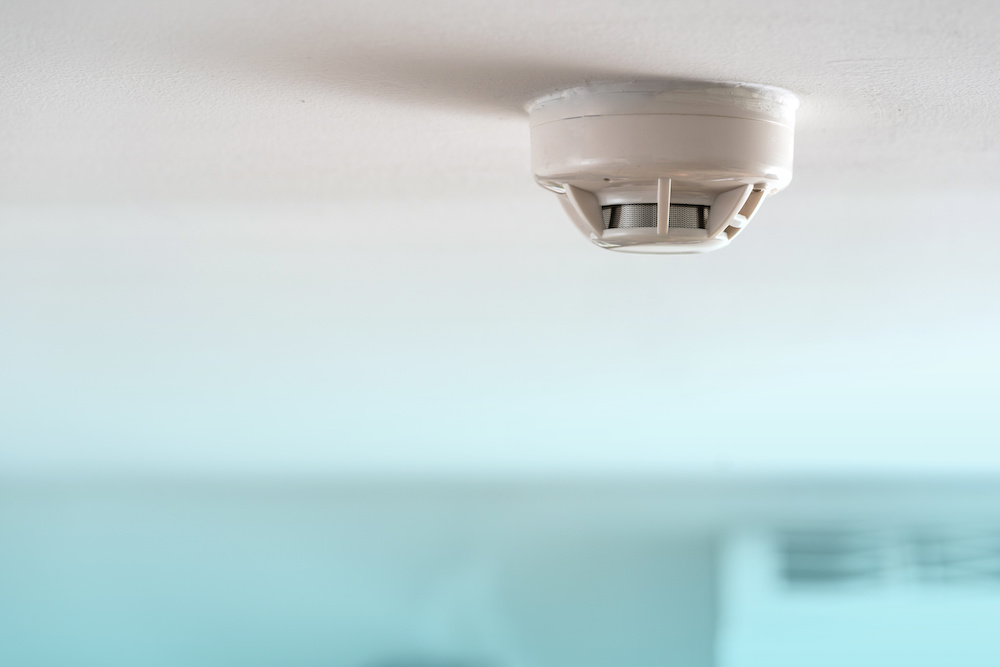
- Smoke alarms on every floor with living spaces (test monthly, refresh batteries annually, replace units every 10 years)
- Carbon monoxide detectors in rooms with combustion appliances like boilers or gas fires (test monthly)
Escape Routes & Equipment:
- Keep hallways and exits clear
- Fire blankets in the kitchen are helpful
- Fire extinguishers are good to have
Certifications:
- Annual gas safety inspection by a Gas Safe engineer (give guests copies)
- Electrical inspection every five years
- PAT testing on portable appliances—important but often overlooked
Insurance & Liability
Standard home insurance typically doesn't cover short-term letting, so specialist coverage is important:
- Public Liability Insurance (£2M minimum, ideally £5M)
- Buildings Insurance for short-term lets
- Contents Insurance for rental properties
Worth reviewing annually as your operation evolves.
Planning & Local Rules
This varies by region, so it's worth a quick check with your local authority. In London, there's a 90-night limit for entire homes. Some areas have specific regulations. If you're in a leasehold or have a mortgage, check with your lease and lender.
Basically: do a quick local authority check to make sure you're operating within the rules for your specific situation.
The Compliance Operating System
The operators who feel confident about compliance share a simple habit: they've built it into their regular routine. Monthly checks. Quarterly updates. Annual certifications. Automated reminders. It's not complicated—it's just consistent.
A sample rhythm might look like:
Monthly: Test smoke and CO alarms. Review booking records. Quick property inspection between guests.
Quarterly: Update any registration information. Refresh safety signage if needed.
Annually: Gas safety inspection. Insurance renewal. PAT testing. Fire extinguisher servicing. Full compliance review.
Every 5 years: Full electrical inspection. Smoke alarm replacement.
As needed: Respond to any inspection requests or regulatory updates.
When you're just starting out, this might feel like a lot to track. But once you build the rhythm, most teams find it becomes almost second nature. And the peace of mind? Worth every bit of effort.
Building your competitive advantage
Here's what we've noticed: the operators who approach compliance thoughtfully tend to have happier guests, cleaner inspections, and less stress overall.
They've simply decided that compliance is a core part of how they operate, like responding to guest messages or scheduling cleanings. It's not a separate project; it's just how they work.
That consistency, that reliability, that attention to detail, guests notice. Local authorities notice. And it shows up in your bookings and your reviews.
What This Means for Your Business
If you're operating a single property, compliance is definitely manageable, though it does take some admin time.
If you're scaling, the game changes. Without a system, you'll either spend a lot of hours on admin, or something might slip through the cracks.
The good news? Building the system isn't hard. You need:
- Clear checklists (so everyone knows what's needed)
- Calendar reminders (so deadlines don't surprise you)
- Centralized documentation (so certificates aren't scattered everywhere)
- Team alignment (so everyone knows who does what)
Modern property management platforms can handle most of this automatically. Which means you get to focus on what actually grows your business, while compliance just... happens.
How the Right Tools Help
Here's the thing: compliance doesn't have to be manual drudgery. The operators we mentioned—the ones with systems and rhythms? Many of them use tools designed specifically for this: centralized checklists, automated reminders, team coordination platforms, and clear documentation systems.
Tools like Breezeway help take the guesswork out of compliance. Instead of juggling spreadsheets and dates across different regions, you have one place where monthly checks are automated, team members know their responsibilities, and certifications are organized and accessible. It transforms compliance from "something you have to remember" into "something the system reminds you about."
The benefit? Your team spends less time on admin and more time on what actually matters—delivering great experiences for your guests and growing your business.
Ready to build your system?
We wanted to make this simpler for you. That's why we've created a practical, region-specific checklist you can save and use right away, a friendly companion to keep everything on track, month after month.
Take a look at the UK Property Manager's Compliance & Safety Checklist 2026
You've got this. Start with one region. Build the rhythm. Then scale it. And you'll find that compliance stops being something you worry about, and becomes something you're quietly proud of.