

How to Set Your Airbnb Cleaning Fee: The Ultimate Guide
See what the Airbnb cleaning fee is and how it works, what’s changed on the Airbnb platform & how set your fee to stay competitive.

Save time with the leading property operations and experience platform.
66% of U.S. households own a pet, and a growing number of those pet owners refuse to travel without their animals. For short-term rental operators, that statistic represents either a missed opportunity or an untapped revenue stream, depending on your pet policy.
The answer isn't straightforward. Allowing pets can expand your guest pool and boost bookings, but it also introduces cleaning challenges, damage risks, and liability considerations that vary by property type and market. This guide breaks down the pros and cons and offers practical tips for managing pet-friendly rentals successfully.
|
Ready to streamline your pet-friendly property operations? |
Pet travel has grown steadily over the past decade as more people view their animals as family members. Rather than boarding a dog or hiring a pet sitter, many travelers prefer to bring their pets along. This shift has created a sizable segment of guests who won't even consider a rental that doesn't allow animals.
When a property is labeled "pet-friendly," it typically means dogs are welcome, though some hosts also accept cats or other animals. Policies vary widely, with some properties welcoming pets of any size, while others restrict acceptance to small dogs under a certain weight. The specifics are up to you, but clarity matters. Guests want to know exactly what's allowed before they book.
Pet owners face a narrower selection of lodging options than travelers without animals. When searching on platforms like Airbnb or Vrbo, they often filter results to show only pet-friendly listings. By accepting pets, your property appears in front of travelers who might otherwise never see it. This expanded visibility can translate to faster bookings and fewer gaps in your calendar.
Most pet-friendly rentals charge additional fees to offset the extra work involved. Non-refundable pet fees typically range from $25 to $150 per stay, depending on the property and market. Some hosts also collect refundable damage deposits that cover potential repairs beyond normal wear.
Pet fees create a supplementary income stream while signaling to guests that you take pet stays seriously. The fee structure you choose depends on your comfort level and local norms. Researching what nearby competitors charge can help you land on an appropriate amount.
Traveling with a pet involves packing supplies, managing feeding schedules, and finding suitable places to stay. Because of this added effort, pet owners often book longer trips to make the logistics worthwhile. Extended stays mean fewer turnovers for you and higher occupancy rates.
Many vacation rentals prohibit pets entirely. Only 27% of Airbnb listings are pet-friendly, but about 50% of nights booked on Airbnb are with pets. If your competitors don't allow animals, accepting them gives you access to bookings they can't capture. In some markets, pet-friendly properties are genuinely rare, which creates an opportunity to stand out without changing anything else about your listing.
Pet owners tend to appreciate hosts who welcome their animals without hassle. That appreciation often shows up in reviews, and positive reviews improve your listing's visibility on booking platforms. Some pet owners also become repeat guests, returning to properties where they know their dog will be comfortable.
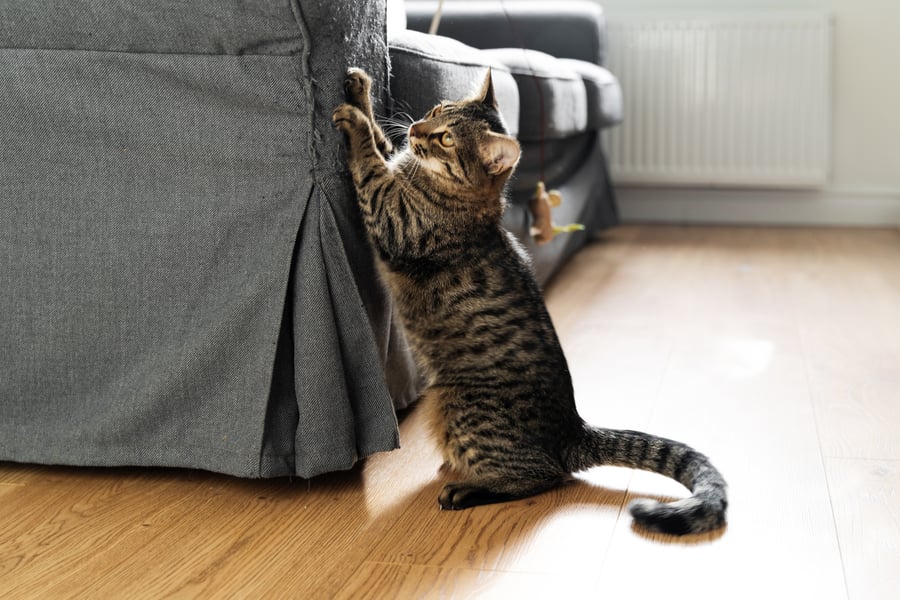
Pets can cause damage that goes beyond normal guest wear. Scratched hardwood floors, chewed furniture legs, stained carpets, and torn window screens are common issues. While deposits help cover repair costs, significant damage can exceed the amount you've collected.
The risk level varies by property. A cabin with tile floors and outdoor space handles pet stays differently than a condo with wall-to-wall carpeting and delicate furnishings.
Pet stays require more intensive cleaning between guests. Hair gets everywhere, like on furniture, bedding, and in corners that don't normally need attention. Odors can linger if not addressed properly, and any accidents require immediate treatment.
All of this adds time to your turnover process. If you have back-to-back bookings, the extended cleaning window can create scheduling challenges.
Pet dander lingers in a property even after thorough cleaning. Guests with allergies who book after a pet stay may experience reactions, which can lead to complaints or negative reviews. Some hosts address this by disclosing that the property accepts pets, giving allergy-sensitive travelers the information they need to look elsewhere.
Barking dogs can disturb neighbors, other guests in nearby units, or violate community noise rules. Properties in HOA-governed communities or multi-unit buildings may face restrictions that complicate pet-friendly policies. Before allowing pets, it's worth checking whether your property's rules permit them.
Before implementing a pet-friendly policy, reviewing your current coverage is worth the time. Contact your insurance provider to understand what's covered and what isn't. If gaps exist, like claims involving specific breeds or pet-related damage, specialized STR insurance can fill them. The cost of additional coverage is typically modest compared to potential claim expenses.
Standardized cleaning protocols ensure consistent results after pet stays. A pet-friednly checklist might include vacuuming all surfaces, washing removable covers, inspecting for damage, and treating any odors. Property operations platforms like Breezeway can automate task assignments for pet-specific turnovers, so nothing gets overlooked during busy periods.
Specify acceptable pet types, size limits, maximum number of pets, and any breed restrictions in your listing description and rental agreement. Clear policies reduce misunderstandings and give you documentation if issues arise. Vague language like "pets welcome" invites confusion, so be specific about what you'll accept.
You have several options: non-refundable cleaning fees, refundable damage deposits, or nightly pet rates. Many hosts combine approaches, charging a non-refundable fee to cover cleaning plus a refundable deposit for potential damage. The right pet fee structure depends on your market and risk tolerance.
Send pet rules before arrival and include reminders during the stay. Breezeway’s automated messaging tools ensure consistent communication of expectations, like keeping pets off furniture, cleaning up in outdoor areas, not leaving animals unattended for extended periods. Clear communication upfront prevents problems later.
Scratch-resistant flooring, leather or microfiber upholstery, washable slipcovers, and stain-resistant fabrics minimize damage and simplify cleaning. Replacing delicate items with durable alternatives before accepting pets saves money over time.
Breezeway’s mobile app with photo documentation and inspection checklists create records that support damage claims if needed. Digital inspection tools streamline this process and maintain organized records for each booking. Without documentation, disputing damage becomes difficult.
The decision depends on factors specific to your situation.
Starting with a trial period or limiting acceptance to smaller pets lets you evaluate the impact on your operations before committing fully. You can always expand your policy later if things go well.
|
Ready to streamline your pet-friendly property operations? |
Request pet details during the booking process, including breed, size, age, and behavior history. Review the information against your policy requirements before confirming the reservation. Some hosts also request photos or references from previous stays to get a better sense of what to expect.
Yes, property owners can establish restrictions on pet size, breed, and number in their rental policies. However, restrictions cannot apply to legitimate service animals, which are protected regardless of breed or size under federal law.
Popular amenities include fenced yards, pet beds, food and water bowls, waste bags, and information about nearby dog parks or pet-friendly restaurants. Thoughtful touches signal that your property genuinely welcomes pets rather than merely tolerating them.
Deep cleaning for allergens typically happens after every pet stay, with professional carpet and upholstery cleaning recommended periodically, often quarterly or after a certain number of pet bookings. Regular deep cleaning helps maintain air quality for allergy-sensitive guests who book later.
Automate operations for short-term rentals with Breezeway's smart workflows and guest experience tools designed to ensure efficiency and guest satisfaction.
![[new-report]-how-breezeway-drives-higher-reviews-on-airbnb](https://www.breezeway.io/hubfs/AdobeStock_825854083-1-1.jpeg)